Discover a professional 3D printing powder supplier
Ever held a 3D printed component that looks like solid metal? That great, hefty, glossy finish? That’s the magic of metallic filament 3D printing. Yet suppose you desire a different shade? Can you just slap some paint on it? The response is of course, absolutely! Repainting your metal filament prints opens a whole brand-new globe of opportunities. It lets you customize the shade while maintaining that outstanding underlying metallic appearance and sparkle. Think about it like including a colorful color to steel. This guide dives deep right into paint these one-of-a-kind products. We’ll cover what makes them unique, why you would certainly want to paint them, how to do it right, where it serves, and address common concerns.
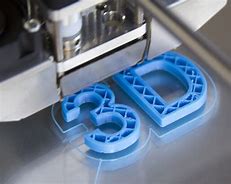
(can you paint metallic filament 3d printing)
1. What is Metallic Filament 3D Printing? .
Metal filaments are unique plastics used in FDM (Molten Deposition Modeling) 3D printers. They are hollow metal. Instead, they are normally based on typical 3D printing materials like PLA or PETG. The magic originates from little metal fragments mixed into this plastic base. These fragments are typically really fine powders of steels like bronze, copper, brass, iron, or stainless-steel. When you print with this filament, the printer thaws and layers the plastic just like regular. The ingrained metal bits give the completed print its distinctive appearance. The surface area looks like genuine metal. You get that characteristic shine and texture. Different filaments offer various impacts. Some look like cleaned steel. Others mimic antique bronze or glossy copper. The weight also feels a bit larger than conventional plastic, contributing to the realistic look. So, it’s plastic acting to be metal, and doing a rather persuading job!
2. Why Paint Metallic Filament Prints? .
Repainting these prints might appear counterproductive. Besides, the entire factor is the metal look, right? True, the base impact is fantastic. Painting provides interesting advantages. First, it allows for incredible shade customization. You can accomplish metal finishes in colors not naturally offered in the filament itself. Desire a deep blue metallic flower holder? Or maybe gold accents on a silver-like component? Painting makes this possible. Second, paint can boost information. A slim coat of paint can highlight detailed structures and layer lines. It makes the print pop visually. Third, it supplies security. A clear top coat seals the surface. This protects against scratches, tarnishing (especially for filaments consisting of real steel particles vulnerable to oxidation), and general wear. Finally, paint provides a consistent coating. In some cases, the raw printed metallic appearance can have small variations. An uniform paint layer produces a smoother, a lot more expert appearance throughout the whole piece. So, paint does not conceal the metallic nature. It builds upon it creatively.
3. How to Paint Metallic Filament 3D Prints Efficiently .
Obtaining a fantastic colored finish on metallic filament calls for careful preparation. Rushing leads to repaint peeling or inadequate bond. Here’s a dependable step-by-step technique:.
Action 1: Clean Completely. Start with a clean print. Remove any type of dust, grease, or oils. Fingerprints are a typical offender. Laundry the part carefully with warm water and moderate recipe soap. Rinse well and let it completely dry totally. Use isopropyl alcohol for a final wipe-down. This removes deposits the soap could leave.
Action 2: Sand Smoothly (Optional however Suggested). Light sanding boosts paint bond. It produces a slightly rougher surface area for the paint to grip. Usage fine-grit sandpaper (like 320-400 grit). Sand gently. You don’t want to get rid of the metal bits, just mess up the surface. Concentrate on smoothing layer lines and any type of blemishes. Clean away all sanding dirt thoroughly.
Step 3: Apply Primer. Guide is critical! It produces a bonding layer between the plastic/metal surface area and the paint. Select a good-quality plastic guide or attachment marketer. Spray primers function well for even insurance coverage. Apply slim, even layers. Comply with the guide supplier’s guidelines for drying out times. Gently fining sand between layers can yield an even smoother final finish. Don’t avoid this action!
Action 4: Repaint Your Layout. Now for the fun part! You can use spray paints or brush-on polymers. Spray paints provide simpler, smoother results. Pick paints designed for plastic or multi-surface use. Apply slim layers. Prevent thick layers. Thick paint can run, trickle, or obscure information. Allow each coat to completely dry totally prior to using the next. Accumulate the shade slowly. Perseverance is vital. Metallic paints themselves can look magnificent over the primed surface area.
Step 4.5: Optional – Clear Leading Layer. When your shade paint is completely dry, take into consideration a clear protective coat. This step is highly advised. It seals your paint job. It includes a safety layer against scratches and UV fading. A glossy clear layer enhances shine. A matte finish provides an extra controlled look. Apply it just like the paint: thin, also layers.
4. Applications of Painted Metallic Filament Prints .
Painted metallic filament prints locate usages in several locations. Their distinct appearance combines realistic look with custom shade. Right here are some preferred applications:.
Cosplay and Props: This is a large one! Develop practical shield items, tools, safety helmets, and complex costume details. Painting lets you attain weather-beaten steel, polished gold, or distinct dream metal hues. The underlying metallic texture adds depth that simple plastic does not have.
Range Models and Minis: Model manufacturers like this strategy. Use it for practical vehicle parts (engine obstructs, tires), airplane elements, military lorry details, or miniature figures with metal shield. Painting improves realism dramatically.
Useful Models: Required a prototype that looks like a final steel item? Repainted metallic filament is ideal. It offers an expert appearance for presentations and customer testimonials without the expense of actual metal prototyping.
Home Decor and Art: Develop magnificent flower holders, sculptures, light bases, picture frameworks, or attractive things. Painting enables one-of-a-kind metal finishes that match any type of space’s color pattern. Think cleaned copper planters or art deco silver and gold accents.
Fashion jewelry and Accessories: Style customized pendants, jewelry, rings, cufflinks, or keychains. Painting allows you use items in rose gold, antique bronze, or any type of metallic shade wanted by the customer.
Industrial Layout Mockups: Showcase item designs with practical steel coatings. This aids imagine exactly how a final metal part will certainly look and feel.
5. Frequently Asked Questions on Painting Metal Filament Prints .
Q: Does the paint completely conceal the metal impact? .
A: Not always! Thin layers of paint, especially transparent or colored metal paints, permit the underlying metallic appearance and glimmer to reveal with. It produces a layered, complex surface. Thicker, nontransparent paints will cover it entirely for a strong shade look.
Q: Do I absolutely need to prime before painting? .
A: Yes, priming is extremely suggested and usually crucial. Metallic filaments can be slightly a lot more tough for paint adhesion than simple plastic. Primer produces a strong bond. Skipping it takes the chance of the paint peeling or chipping off quickly.
Q: What type of paint functions best? .
A: Spray paints developed for plastic are normally the simplest and give smooth outcomes. Acrylic paints (brush-on or airbrush) likewise work well. Try to find paints identified for plastic or multi-surface usage. Prevent paints that are as well thick or incompatible with plastics.
Q: Will the paint chip or scrape easily? .
A: Proper preparation (cleansing, sanding, priming) significantly improves durability. Using a clear leading layer adds a protective layer versus scratches and wear. The surface won’t be as hard as powder-coated metal, but it can be fairly resilient for ornamental or display products.
Q: Can I use any type of shade paint? .
A: Definitely! That’s the liberty paint offers. You can make use of conventional colors, metallics, or perhaps specialized paints like fluorescents or color-shift paints over the primer. Your creativity is the limitation.
Q: How long does the painted finish last? .
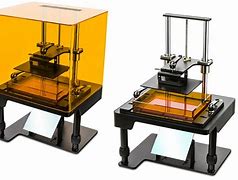
(can you paint metallic filament 3d printing)
A: With great prep and a safety leading coat, the surface must last a very long time for interior items. For items exposed to weather, UV light, or hefty handling, the life-span will be shorter. Normal clear coat touch-ups might be required for outside items.