Discover a professional 3D printing powder supplier

Ford’s Factory Floor Revolution: When 3D Metal Printing Became a Production Powerhouse
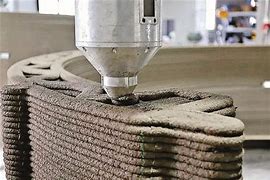
(when did ford start using 3d metal printing)
What is 3D Metal Printing?
Think about building something complex, layer by layer, but using metal. That’s 3D metal printing. Forget carving away material. This process adds it, precisely. It starts with a digital design file. A machine reads this file. It then builds the object one ultra-thin layer at a time. The machine uses powerful lasers or electron beams. These tools melt fine metal powder particles. They fuse them together exactly where needed. It’s like welding, but controlled by a computer. The result is a solid metal part. This part springs straight from the digital blueprint. Traditional methods often need molds, casts, or cutting. 3D metal printing skips many of these steps. It offers incredible freedom for shape and design. Complex geometries are possible. Internal channels, hollow structures, organic shapes – these are easy. This technology unlocks new possibilities for engineers. Ford saw this potential early. They started exploring it seriously around 2010. They moved beyond just plastic prototypes. They began experimenting with actual metal parts. This was a game-changer for manufacturing.
Why Did Ford Embrace 3D Metal Printing?
Ford wanted solutions for tough problems. Traditional manufacturing can be slow. Creating molds and tooling takes time. It also costs a lot of money. Changes to a design mean starting over. This delays projects. Ford needed faster ways to innovate. They also needed to make special tools. These tools help workers on the assembly line. Custom tools are often needed. Making them the old way is inefficient. 3D printing offered a better path. It allows rapid creation of complex parts. No expensive tooling is required. Ford saw a chance to speed up development cycles. They could test new ideas quickly. They could make custom tools faster and cheaper. This saves both time and money. Another big reason is weight reduction. Cars need to be lighter. Lighter cars use less fuel. They can also handle better. 3D printing lets engineers design parts optimized for strength and weight. They can create shapes impossible with casting or machining. This leads to lighter parts without sacrificing performance. Ford aimed to improve their vehicles. They wanted to innovate faster. Reducing costs was crucial. 3D metal printing helped them achieve these goals. It became a key part of their advanced manufacturing strategy.
How Ford Implemented 3D Metal Printing
Ford didn’t jump in blindly. They took a careful, step-by-step approach. Their journey started around 2010. They began experimenting with the technology. Early efforts focused on understanding the machines. They needed to learn which metals worked best. Aluminum alloys and steel were common choices. They explored different printing methods. Methods like Direct Metal Laser Sintering (DMLS) were tested. Engineers printed small parts first. These were often prototypes or concept models. They tested these parts for strength and accuracy. The goal was to see if printed parts could meet Ford’s high standards. They did. Ford then moved to making specialized tools. These tools are used on the assembly line. Examples include custom jigs and fixtures. These hold parts in place during assembly. Making these tools traditionally takes weeks. Printing them took days, sometimes just hours. This was a huge win. Ford set up dedicated labs. They installed industrial-grade 3D metal printers. Places like the Advanced Manufacturing Center became hubs. Engineers and technicians worked together. They refined the printing processes. They developed quality checks. Ford partnered with expert suppliers too. They built internal expertise. Training programs ensured staff knew how to use the technology. By around 2015, Ford was confident. They started using 3D printed metal parts in actual production vehicles. The Ford Mustang and Ford F-150 were early adopters. Specific brackets and connectors were printed. This marked a major milestone. It proved the technology was ready for the factory floor.
Key Applications of 3D Metal Printing at Ford
Ford uses this technology in smart ways across different areas. One major area is prototyping. Engineers design a new part. They can print a metal version overnight. They test it the next day. This speeds up development massively. Changes are easy to make digitally. Another print happens quickly. Before 3D printing, this process took months. Now it takes weeks or even days. Another vital use is custom tooling. Assembly line workers need special tools. These tools help install parts or perform tasks. Every car model might need unique tools. Printing these tools saves enormous time and money. Ford has printed thousands of these specialized tools. They are lighter than traditional steel tools. Workers find them easier to handle. Durability is excellent. Ford also uses 3D printing for low-volume production parts. Some vehicle components are needed in small numbers. Making molds for these isn’t cost-effective. Printing them is perfect. Examples include performance car parts for limited editions. Brackets for niche vehicle options fall into this category. Ford even prints some end-use parts for regular production cars. These are parts you find under the hood or inside the vehicle. They are designed to be lighter and perform better. Ford constantly explores new applications. They look at complex engine components. Intake manifolds are a target. Heat exchangers are another possibility. The freedom of design allows for better cooling or airflow. Ford pushes the boundaries of what’s possible. They keep finding new ways to use this powerful tool.
FAQs About Ford and 3D Metal Printing
People often have questions about this technology at Ford. Here are some common ones:
1. When did Ford first start using 3D metal printing? Ford began seriously exploring and testing 3D metal printing around 2010. Their initial focus was on prototyping and tooling. They gradually moved towards production parts. By 2015-2016, they started putting printed metal parts into vehicles like the Mustang and F-150.
2. What metals does Ford typically print with? Ford commonly uses aluminum alloys. These are lightweight and strong. They also print with various steels. The exact material depends on the part’s job. Factors like strength, weight, and heat resistance matter. Ford chooses the best metal for each application.
3. Is 3D printing used for entire cars? No, not currently. Ford uses 3D printing for specific components. These are usually smaller parts. Think brackets, connectors, custom tools, or prototypes. Printing a whole car body isn’t practical or cost-effective yet. The technology complements traditional manufacturing.
4. Does 3D printing save Ford money? Yes, it does. It saves money in several ways. It drastically cuts the time needed to make prototypes and tools. This speeds up vehicle development. It avoids the high cost of creating specialized molds for low-volume parts. It also allows for lighter parts, improving fuel efficiency.
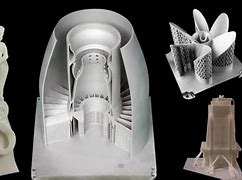
(when did ford start using 3d metal printing)
5. What does the future hold for Ford and 3D printing? Ford is committed to expanding its use. Expect to see more printed parts in future vehicles. The complexity and performance of these parts will increase. Ford will likely print more components directly for production. They will keep innovating. The goal is faster, smarter, and more efficient manufacturing.